Local structure fires increased in January
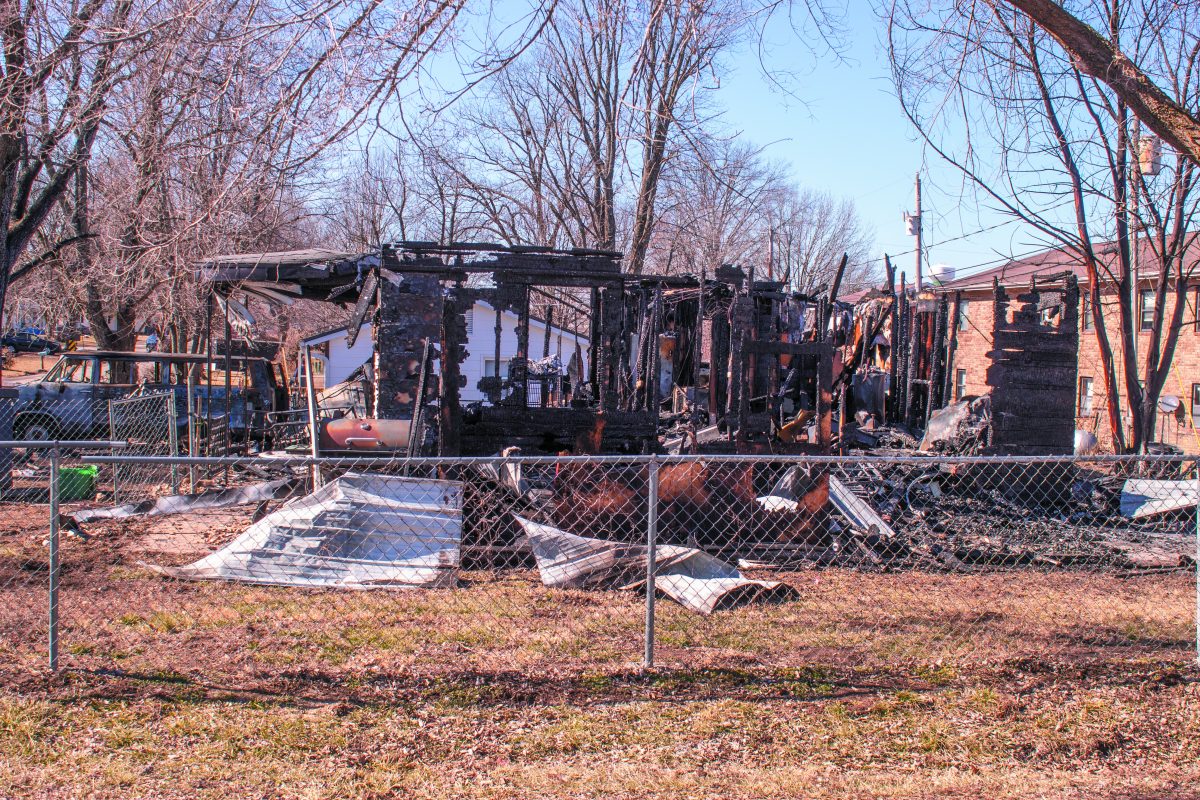
Photo by Shari Harris
This home in Licking at the northwest corner of Beth and Cedar streets burned early Sunday morning. No injuries were reported.
The Licking Rural Fire Department responded to three structure fires in January, and within a 12-hour period beginning Saturday afternoon, February 7, were deployed for two structure fires, one in the rural district and one within the city, and they provided mutual aid at a structure fire south of Edgar Springs.
Not only do heating fires peak during the winter months, but the colder temperature and shorter days result in people spending more hours indoors, cooking more, lighting candles, and using electricity for longer time periods
Cooking fires are the leading cause of home fires year-round, according to the National Fire Protection Association® (NFPA®). Nearly half (49 percent) of all reported U.S. home fires involve cooking equipment. The NFPA advises cooking and using candles with caution on Valentine’s Day.
An average of nearly 6,000 home fires involving candles are reported to U.S. fire departments each year. More than half of all candle fires began when a flammable object—furniture, curtains, home decorations, clothing—was too close to an open flame. In 21 percent of home candle fires, the candle was either left unattended, discarded, or otherwise misused. Over one-third of candle fires originated in the bedroom. A safer alternative to candles is battery-operated flameless candles, which offer a similar look and feel to real candles while simultaneously eliminating the risk of fires.
The NFPA has shared the following tips and recommendations to reduce the threat of home fires:
Heating safety:
• Make sure all heating equipment is in good working order. Heating systems and chimneys should be cleaned and inspected annually by a qualified professional.
• Keep anything that can burn at least three feet away from all heating equipment, including furnaces, fireplaces, wood stoves and space heaters.
• Always use the right kind of fuel, as specified by the manufacturer, for fuel-burning space heaters.
• Use space heaters in accordance with the manufacturer’s instructions. Turn them off when leaving the room or going to sleep.
• Fireplaces should have a sturdy screen to stop sparks from flying into the room. Ashes should be cool before putting them in a metal container; keep the container a safe distance away from your home.
Cooking safety:
• Keep a close eye on what you’re cooking; never leave cooking food unattended. For foods with longer cooking times, such as those that are simmering or baking, set a timer to help monitor them carefully. Over one-quarter of reported home cooking fires and half of the associated deaths are the result of unattended cooking.
• Clear the cooking area of combustible items, keeping anything that can burn—such as dish towels, oven mitts, food packaging, and paper towels—at least three feet away from cooking equipment.
• Turn pot handles toward the back of the stove.
• Keep a lid nearby when cooking. If a small grease fire starts, slide the lid over the pan and turn off the burner.
• For an oven fire, turn off the heat and keep the door closed.
• Create a “kid and pet free zone” of at least three feet around the cooking area and anywhere else hot food or drink is prepared or carried.
Candle safety:
• Keep candles at least one foot away from anything flammable.
• Never leave a burning candle unattended.
• Blow out all candles when leaving the room or going to sleep.
• Avoid the use of candles in bedrooms and other places people may fall asleep.
• Put candle holders on a sturdy and uncluttered surface.
• Use candle holders that are sturdy and will not tip over easily.
• Do not burn a candle all the way down; put it out before it gets too close to the holder or container.
• Keep hair and any loose clothing away from the flame.
• Store matches and candles up high and out of the reach of children, preferably in a locked cabinet.
Electrical safety:
• Only use one heat-producing appliance (such as a coffeemaker, toaster, space heater, etc.) plugged into a receptacle outlet at a time.
• Check electrical cords to make sure they are not running across doorways or under carpets.
• Extension cords are intended for temporary use. Have a qualified electrician add more receptacle outlets so you don’t have to use extension cords.
• Call a qualified electrician or your landlord if you have frequent problems with blowing fuses or tripping circuit breakers; a tingling feeling when you touch an electrical appliance; a discolored or warm wall outlet; a burning or rubbery smell coming from an appliance; flickering or dimming lights; or sparks from an outlet.
Carbon monoxide:
• Choose a CO alarm that has the label of a recognized testing laboratory. Follow the manufacturer’s instructions for placement and mounting height.
• CO alarms should be installed in a central location outside each sleeping area and on every level of the home and in other locations where required by applicable laws, codes or standards. For the best protection, interconnect all CO alarms throughout the home. When one sounds, they all sound.
• Test CO alarms at least once a month; replace them according to the manufacturer’s instructions.
• If the audible trouble signal sounds, check for low batteries. If the battery is low, replace it. If it still sounds, call the fire department.
• If the CO alarm sounds, immediately move to a fresh air location outdoors or by an open window or door. Make sure everyone inside the home is accounted for. Call for help from a fresh air location and stay there until emergency personnel arrive.
• If you need to warm a vehicle, remove it from the garage immediately after starting it. Do not run a vehicle or other fueled engine or motor indoors, even if garage doors are open. Make sure the exhaust pipe of a running vehicle is not covered with snow.
• During and after a snowstorm, make sure vents for the dryer, furnace, stove, and fireplace are clear of snow build-up.
• A generator should be used in a well-ventilated location outdoors away from windows, doors and vent openings.